Agency: Consumer Product Safety Commission (CPSC) | Date: 2026-04-09T00:00:00 | Units: Not specified
This alert was compiled from official government recall data published by the CPSC using automated analysis. All facts are sourced directly from official records. Last verified April 18, 2026.
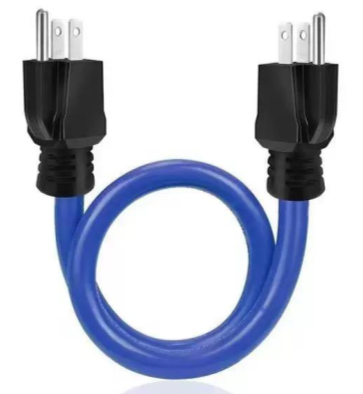
Imagine this: you just installed a new generator extension cord. You feel good about being prepared for the next power outage. Now, there's a problem. Certain male-to-male extension cords sold across the U.S. are being recalled due to serious safety hazards.
A Dangerous Electrical Cord Recall Alert
It's never good news to find out something you bought poses a threat. This product recall in the United States focuses on a specific type of extension cord. These cords, sold on Walmart's website, can create a dangerous situation for American shoppers. The main concerns are electrocution and carbon monoxide poisoning for you and your family.
The recalled items are male-to-male extension cords. These are also known as pigtail cables. They're often used to connect a generator directly to a home's electrical system during a power outage. This practice is called "backfeeding," and it can be deadly when done improperly. The cords involved in the recall fail to meet required safety standards.
- Product: Male-to-Male Extension Cords (Pigtail Cables)
- Brand: Shenzhen Shijingjie Network Technology (brand is unlisted)
- Hazard: Electrocution, Fire, Carbon Monoxide Poisoning
- Sold At: Walmart.com
Why These Extension Cords Are So Risky
These aren't your standard extension cords. The danger stems from their design and intended use. Here's a breakdown of the issues:
- Exposed Prongs: The exposed prongs can become energized. If one end is plugged into a power source, the other end becomes a shock hazard. This poses a serious risk of injury or death from electrocution.
- Backfeeding Hazard: Using these cords to backfeed power from a generator to your home's electrical system can energize the power lines outside your house. This puts utility workers and neighbors at risk of electrocution. Plus, backfeeding can cause fires in your home.
- Carbon Monoxide Risk: Because of their short length (between 23.6 inches and 59 inches), you're more likely to place a generator close to your house or in an enclosed space. Generators emit carbon monoxide (CO), a colorless, odorless gas that can cause serious illness or death.
Based on the official recall notice, the agency confirmed that these extension cords pose significant risks to U.S. consumers. This recall addresses hazards related to both electrocution and carbon monoxide poisoning. This combination of risks is especially alarming, and it underscores the importance of taking immediate action if you own one of these cords.
Is Your Extension Cord Part of the Recall?
Here's how to determine if you have a recalled extension cord. Nobody wants to find out their electrical equipment is dangerous, so check yours now.
- Model Numbers: RY-US-06 and RY_US-1.5
- Voltage and Gauge: 125V 12AWG
- Color: Blue or Yellow
- Plug: Three-prong black plug on both male ends
- Length: Between 23.6 inches and 59 inches
- How to Find the Model Number: The model number will be printed on the product's purchase order or receipt. If you flip through your records, you should be able to find it.
These heavy-duty extension cords were sold online at Walmart.com between April 2025 and November 2025. They retailed for between $18 and $26. If you purchased an extension cord from Walmart during that time, it's crucial to check the model number against the recall list.
What You Should Do Right Now
- Stop using the recalled extension cord immediately, as it poses a serious safety hazard to you and your family.
- Unplug the extension cord from any power source, being careful not to touch the live end, to avoid potential electrocution.
- Contact Shenzhen Shijingjie Network Technology by email at j2mrecall@gmail.com for instructions on how to receive a full refund for the recalled product.
- Visit the Walmart recall website at https://corporate.walmart.com/recalls and click on "Shenzhen Shijingjie Network Technology Recall" for further information and assistance.
This recall was announced by the U.S. Consumer Product Safety Commission (CPSC). For the official notice and complete details, visit www.cpsc.gov.
Frequently Asked Questions
Q: What is "backfeeding" and why is it dangerous?
Backfeeding is when you use a generator to send power back into your home's electrical system. This can energize power lines, creating a risk of electrocution for utility workers and neighbors, and also cause fires in your home.
Q: How do I know if my extension cord is part of this product recall in the United States?
Check the model number on your purchase order or receipt. If it's RY-US-06 or RY_US-1.5, and the cord matches the description (blue or yellow, male-to-male, 125V 12AWG), then it is part of the recall.
Q: Is it safe to handle the recalled extension cord?
Use extreme caution when handling the cord. Before unplugging it, ensure the generator or power source is off. When unplugging, avoid touching the metal prongs, as they may be energized.
Q: What should I do with the recalled extension cord after I unplug it?
Do not throw it in the trash. Contact Shenzhen Shijingjie Network Technology at j2mrecall@gmail.com for instructions on how to return the cord and receive a full refund.
Q: Where can I find more information about this recall?
You can find more information on the Walmart corporate website under the "Recalls" section or by visiting the CPSC website (www.cpsc.gov). There, you'll find the official recall notice and complete details about the recall.
- Sunnyyes LED Mini Lights Recalled Due to Risk of Serious Injury or Death from (CPSC)
- Amazon Recalls Amazon Basics Camping Folding Pocket Knives Due to Laceration (CPSC)
- FUNTOK Ride-On Trucks Recalled Due to Fire and Burn Hazards; Risk of Serious (CPSC)
- DuraTrac Recalls Stainless Steel Gas Connectors Due to Fire Hazard (CPSC)
Stop using it right away and follow the steps above. You may be entitled to a full refund, free repair, or replacement at no cost.