Agency: Consumer Product Safety Commission (CPSC) | Date: 2026-04-30T00:00:00 | Units: Not specified
This alert was compiled from official government recall data published by the CPSC using automated analysis. All facts are sourced directly from official records. Last verified May 7, 2026.
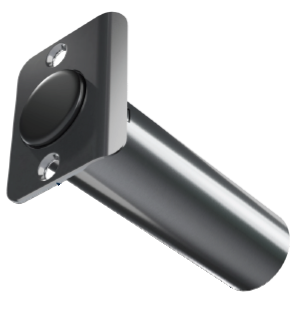
Imagine this: You just got home from the store. You carefully put away that new elevator part, thinking you're making your home safer. Now, unfortunately, there’s been a product recall in the United States. It affects something meant to protect you inside your own house. This concerns a specific part used in residential elevators.
- Product: Residential Elevators StrikeLock Hoistway Door Locking Device
- Hazard: Fall and injury risks
- Sold: Nationwide from April 2024 through March 2026
- Remedy: Free repair
What's the Problem with These Elevator Parts?
Residential Elevators is recalling its StrikeLock hoistway door locking device. This device is used to secure the landing doors of residential elevators. The problem? The elevator cab can move even when a landing door is open if this device fails. This creates a serious risk of falls and injuries for people in their own homes. This is a major concern for the safety of American shoppers.
The StrikeLock device itself is silver in color. It's installed into the door jamb of the elevator landing. Think of it like a standard door latch plate. If you've had a residential elevator installed recently, you'll want to know about this. According to the CPSC announcement dated April 30, 2026, this issue presents a significant risk of serious injury or even death.
Is Your Elevator Affected by This Recall?
This product recall in the United States involves the StrikeLock hoistway door locking device. These devices were sold from April 2024 through March 2026. Residential Elevators and their authorized dealers sold them nationwide during this period. The locks cost approximately $1,000. If you purchased a residential elevator during that time, your elevator might have the defective StrikeLock device.
It's important to find out if your elevator has this particular locking device. If you aren't sure, contact either Residential Elevators directly or the elevator dealer. They can help you determine if your elevator has the StrikeLock system. They can also guide you through the next steps if your system is affected. Take the initiative to ensure the safety of your household.
Who's Behind This Recall?
Residential Elevators is the company behind this recall. They are working with the U.S. Consumer Product Safety Commission (CPSC) to address the issue. Residential Elevators is taking responsibility by offering a free repair to fix the problem. Based on the official recall notice, they aim to ensure customer safety and prevent further incidents.
This isn't the first time Residential Elevators has faced scrutiny. While this specific defect is new, similar safety concerns have surfaced in the past. The agency confirmed that they are closely monitoring the repair process to ensure it effectively resolves the hazard. The CPSC issues dozens of recalls each year, aiming to protect U.S. consumers from dangerous products.
What You Should Do Right Now
Nobody wants to find out their elevator part is dangerous. Here's exactly what you need to do to address this issue:
- Immediately stop using the residential elevator if you know or suspect it has the StrikeLock hoistway door locking device installed.
- Contact Residential Elevators or the local elevator dealer who installed your system to schedule a free repair of the StrikeLock device.
- If you are uncertain whether your elevator has the StrikeLock device, contact Residential Elevators or your elevator dealer for assistance in identifying the locking mechanism.
- Keep children and others from using the elevator until the repair has been completed and you are assured of its safe operation.
- Document all communications with Residential Elevators or your dealer, including dates, times, and names of representatives you speak with.
Frequently Asked Questions
Q: What exactly is the StrikeLock hoistway door locking device?
It's a silver-colored component that secures the landing doors on your residential elevator. It's installed in the door jamb and looks like a standard door latch plate.
Q: How do I know if my elevator has the recalled StrikeLock device?
The best way to find out is to contact Residential Elevators or the company that installed your elevator; they can help you identify the device.
Q: What happens if I keep using the elevator with the faulty StrikeLock?
You could be at risk of a serious fall or injury because the elevator can move even if the landing door is open.
Q: How much will the repair cost me?
The repair is free of charge. Residential Elevators will cover the cost of fixing the StrikeLock device on affected elevators.
Q: Where can I get more information about this recall?
You can call Residential Elevators toll-free at 800-832-2004 or visit their website at www.residentialelevators.com/recall-information/strikelock-locking-device.
This recall was announced by the U.S. Consumer Product Safety Commission (CPSC). For the official notice and complete details, visit www.cpsc.gov.
- Apex Gaming PCs Recalls Manik and Apex-branded ATX Computer Power Supplies Due (CPSC)
- CCCEI Brand Power Strips Recalled Due to Risk of Serious Injury or Death from (CPSC)
- Earthtec Pool Drain Covers Recalled Due to Risk of Serious Injury or Death from (CPSC)
- Malker Bicycle Light Sets Recalled Due to Risk of Serious Injury or Death from (CPSC)
Stop using it right away and follow the steps above. You may be entitled to a full refund, free repair, or replacement at no cost.